What is cloud transformation? For enterprises managing large volumes of unstructured data, cloud transformation is the process of modernizing how data is assessed, placed, protected, moved, archived, and governed across on-premises and cloud environments. It is broader than a one-time migration because it includes ongoing control, reporting, and optimization.
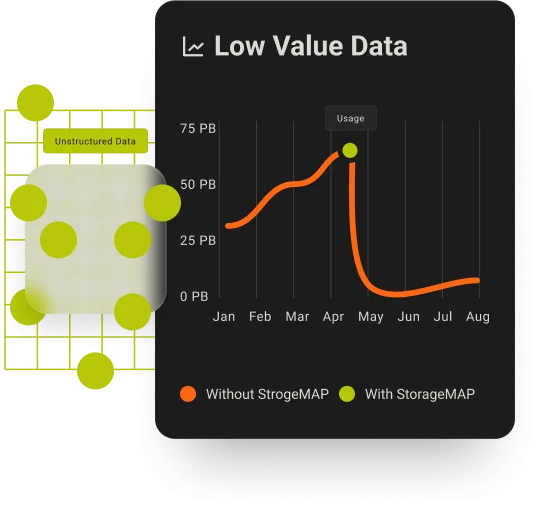
Why is lift-and-shift risky? A lift-and-shift approach can move cost, risk, and low-value data into new environments without improving governance or efficiency. Organizations must conduct continuous assessment, intelligent data placement, and migration planning that accounts for long-term value and operational impact.
What makes migration software enterprise-ready? Enterprise-ready data migration software must support heterogeneous environments, scale across large file populations, provide planning and reporting capabilities, and execute reliably without forcing proprietary lock-in. StorageMAP exceeds these requirements, combining analytics, orchestration, and mobility in a vendor-neutral platform.
How does StorageMAP support planning? StorageMAP helps organizations understand what data they have, where it lives, how it is used, and what actions make sense before execution begins. That supports better migration planning, smarter data placement, and more defensible decisions around what to move, archive, retain, or delete.
Can StorageMAP support hybrid cloud? Yes. StorageMAP is a vendor-neutral platform built to support hybrid cloud environments and complex distributed data estates, rather than a point solution tied to a narrow infrastructure model.
How does StorageMAP reduce migration risk? StorageMAP reduces migration risk by combining visibility, planning, governed execution, and reporting. Instead of moving data blindly, teams can assess risk, align actions to policies, validate outcomes, and maintain clearer oversight throughout transformation programs.
Can StorageMAP automate orchestration? Yes. StorageMAP supports automated actions and policy-driven orchestration, helping teams turn insight into repeatable execution across data center and hybrid cloud environments.
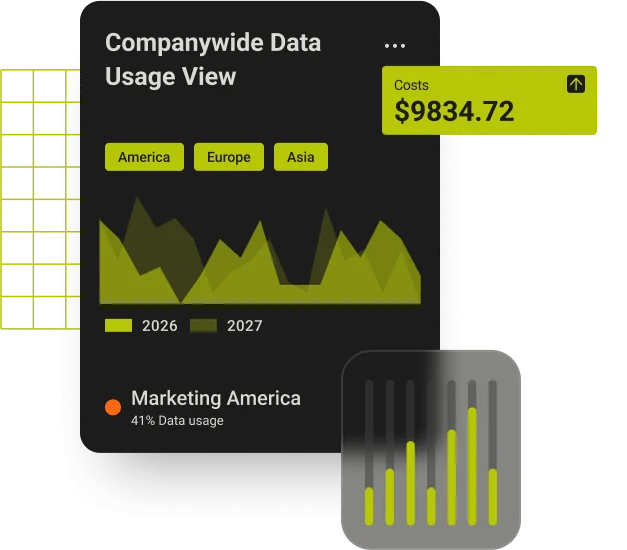
How do executives track progress in StorageMAP? Executives need reporting that connects data mobility progress to cost, accountability, and risk reduction. StorageMAP provides dashboards, reporting, and visibility into usage and cost drivers so transformation programs can be communicated more clearly to stakeholders.
Why does vendor neutrality matter? Vendor-neutral software gives organizations more freedom to modernize across mixed storage platforms, compare options more objectively, and avoid getting locked into a migration path that limits future architecture choices.
Have a complex unstructured data migration or cloud transformation initiative in view? Datadobi can help you assess your environment, define a safer strategy, and move from planning to execution with more control.