GRC FAQs
GRC software helps manage governance, risk, and compliance obligations in a more consistent and defensible way. StorageMAP gives teams visibility into unstructured data, supporting policies across its lifecycle, taking operational action, and documenting evidence for stakeholders and auditors.
StorageMAP enables organizations to understand what unstructured data they have, where it lives, how long it should be retained, and what action should be taken. It combines analytics, policies, automation, reporting, and mobility in one platform.
Yes. With StorageMAP, teams can continuously monitor and enforce retention and governance policies across rapidly growing unstructured datasets. The platform also helps document what was retained, what was removed, and where the data resides.
StorageMAP provides organizations with an optimal solution for finding risky, outdated, ownerless, and improperly stored data, then taking action to archive, relocate, protect, or remove it, which can reduce the blast radius of incidents while improving governance across unstructured storage.
Defensible deletion is the practice of removing data according to established policy, with enough evidence to show that the decision was intentional, governed, and consistently applied. StorageMAP’s reporting and exportable evidence are intended to support that kind of governance outcome.
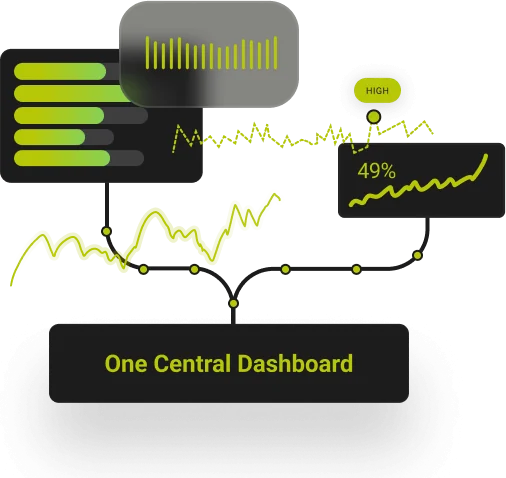
StorageMAP provides dashboards, automated reports, exportable insights, and chain-of-custody support. Those capabilities make it easier for organizations to show what actions were taken and ensure compliance reporting and regular governance reviews.
StorageMAP plays a key role in detecting gaps such as non-compliant retention, ownership uncertainty, and risky data across unstructured data environments.
StorageMAP helps organizations identify the data that must be preserved for long-term record keeping, what can be archived, and what can be removed based on your corporate data retention policies. That supports a more disciplined approach to governance and can reduce legal uncertainty created by unmanaged data sprawl and over-retention.
Keeping everything increases storage costs, expands exposure, complicates audits, and creates more legal and security risk.